Attaining Perfect Vision With SMILE Eye Surgical Treatment


Personnel Author-Katz Anker
Due to developments in medical tech, gaining perfect vision has grown more accessible than ever. The top revolutionary methods in the last few years is SMILE eye surgery. This minimally invasive technique is created to correct common vision problems, particularly nearsightedness, offering a potential remedy for millions of patients who depend on glasses or lenses. As you explore the options of SMILE laser eye surgery, you may find yourself about its advantages, costs, and how it measures against other vision correction methods.
In this article, we will explore what SMILE eye surgery entails, how it works, and the recovery process involved. We will also examine the benefits of the SMILE procedure for short-sightedness and provide a detailed contrast of SMILE versus PRK, another popular eye surgery. With details on side effects and overall success, this comprehensive guide aims to supply you with a clearer comprehension of SMILE eye surgery, moving you one step to achieving realizing flawless sight.
What’s SMILE Eye Surgery Eye Treatment?
SMILE Eye Surgery represents a groundbreaking lasik eye surgical treatment designed to correct shortsightedness as well as visual irregularities. In contrast to conventional optical correction procedures, SMILE makes use of a less invasive approach. It includes performing a minimal cut in the outer layer of the eye to take out a small disc of tissue, thereby alters the eye's surface to boost vision. This method offers precision and convenience, making it an attractive alternative for many patients wanting improve their eyesight.
The procedure begins with the application of a femtosecond device, which forms the lenticule within the corneal. After the disc is established, a small opening is made through which the doctor carefully takes out the disc, thus changing the curvature of the cornea. This distinctive method allows for a gentler surgery compared to other surgeries, where larger incisions are generally necessary. The entire procedure usually lasts about 30 mins, with many people experiencing instant gains in their vision.
A significant features of SMILE Eye Surgery is that it often results in fewer complications and more rapid recovery periods than alternative procedures like LASIK or Photorefractive Keratectomy. People say lower pain levels and discomfort and can go back to their daily routines within a couple of post-operative days. Consequently, SMILE has become popular among individuals who need efficient vision enhancement with little recovery time.
Benefits and Recovery
The SMILE Procedure offers various advantages that make it an appealing choice for those seeking vision correction. One of the primary benefits is the limited invasiveness of the procedure. Unlike traditional LASIK, which requires a corneal flap to be created, SMILE utilizes a tiny incision to remove tissue from within the cornea. This approach not only reduces the risk of complications but also encourages faster healing and minimal postoperative discomfort. Patients often state improved vision within a few days, allowing them to quickly return to their normal routines.
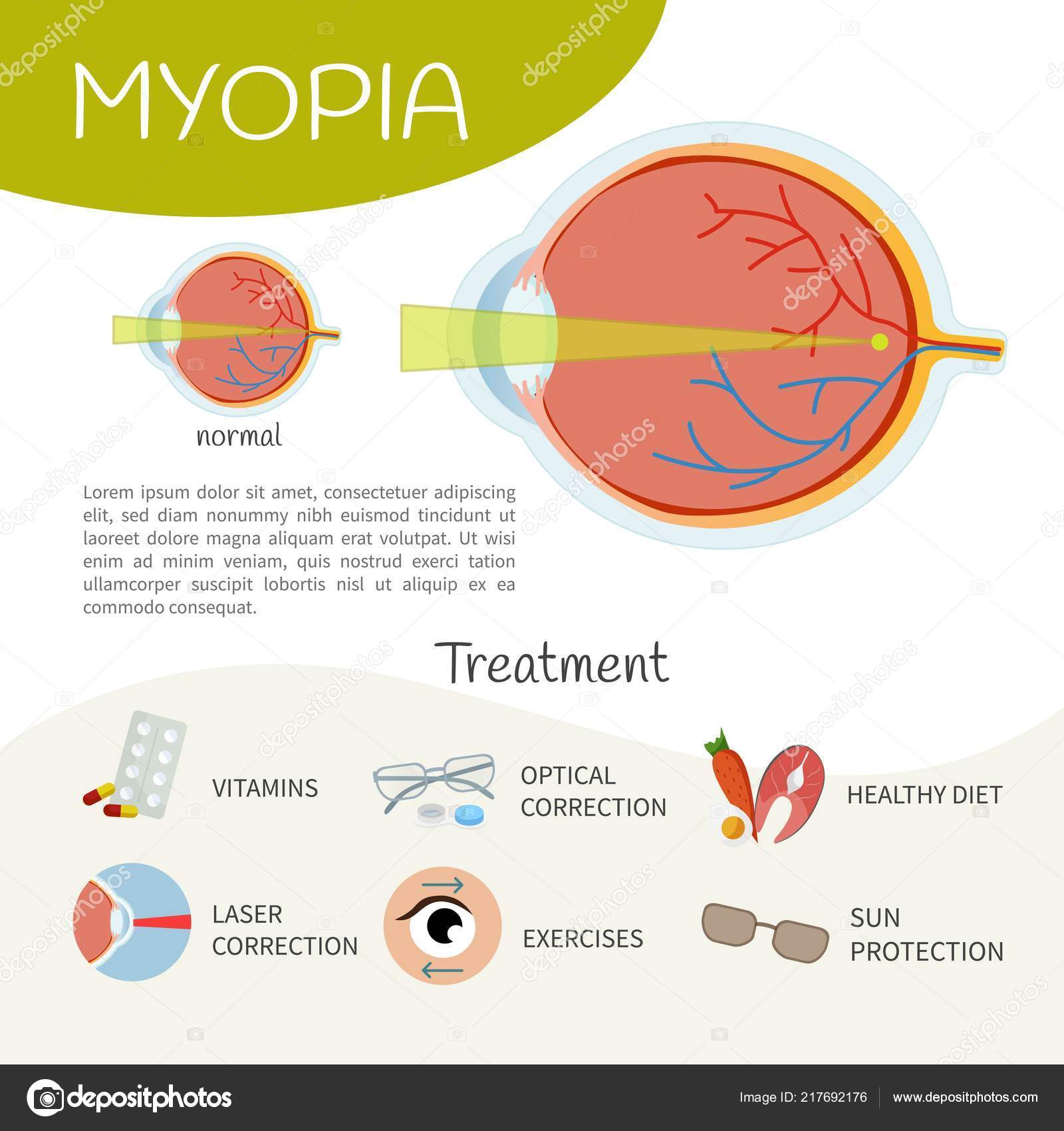
A further advantage of SMILE is its effectiveness for treating short-sightedness, also known as myopia. The SMILE procedure specifically focuses on the underlying causes of myopia by removing a minute lenticule from the corneal stroma, contouring the cornea for clearer vision. go to this web-site report a strong sense of satisfaction and freedom from glasses or contact lenses after the surgery. Additionally, the precision of the SMILE technique leads to a predictable outcome, making it a trustworthy option for those with medium to high myopia.
Recovery from SMILE Eye Surgery is typically swift and straightforward. Most patients can resume normal activities within a short timeframe, often returning to work or school within a few days. The majority experience minimal discomfort, and follow-up appointments ensure that healing is advancing as expected. It is essential for patients to adhere to the aftercare instructions provided by their surgeon, which may include steering clear of strenuous activities and using prescribed eye drops. Overall, the recovery process is structured to be easy, contributing to the overall positive experience patients have with the SMILE procedure.
Expense of SMILE Eye Surgery
The expense of SMILE eye surgery can differ significantly based on multiple factors, such as the surgeon's expertise, the technology utilized, and the location site of the clinic. On average basis, patients can expect to pay from 3,000 to 5,000 bucks for each eye. While this price tag may seem substantial, it is important to note that many view it a sustainable solution to optical correction, possibly reducing continuous expenses related to spectacles or contacts.
Health insurance coverage for SMILE surgery is often restricted, as many plans consider it an optional procedure. However, some patients may find that their insurance covers a part of the cost, particularly if surgical treatment is deemed necessary due to extreme optical problems. It's wise for individuals to verify with their insurance provider and discuss payment arrangements with their selected clinic to more clearly understand the monetary considerations.
Additionally, many clinics have financing plans to aid make the treatment more accessible. These options allow patients to distribute the price over time, making it feasible for more individuals to attain the sight correction they seek. It is important for future patients to carefully research different providers and their charges models to ensure they are making an aware choice that matches their financial ability and satisfies their sight needs.
SMILE versus PRK Comparison
As patients evaluate laser eye surgery options, several individuals frequently contrast the methods of SMILE and PRK. Read Even more are designed to correcting vision problems, yet they employ distinct approaches. SMILE, or Small Incision Lenticule Extraction, includes performing a tiny cut to extract a tiny lens from the cornea, while PRK, or Photorefractive Keratectomy, modifies the surface of the cornea structure by eliminating the outer layer of cells before applying the laser treatment. Such key variation greatly affects the recovery process and prospects for individuals.
Regarding recovery, SMILE typically offers a quicker healing timeframe with minimal discomfort after surgery compared to PRK. Individuals who have SMILE can often return to daily activities within a day or two, while PRK can take several days to weeks for full visual recovery due to the healing of the corneal surface. Furthermore, SMILE minimizes the risk of complications such as haze formation, which is frequently seen in PRK due to the removal of the corneal epithelial layer.
Cost can also be deciding factor for numerous people. Though SMILE could show a greater initial price due to its advanced technology and technique, it is essential for patients to consider the advantages of faster recovery and reduced pain in relation to the monetary factors. Ultimately, the selection between the SMILE technique and PRK will be based on personal choices, specific vision correction needs, and discussions with experienced eye care practitioners.